
Are decorative stones harmful to plants? Benefits and potential drawbacks
Eng. Robert M. Berzuc

AUTHOR
DATA
12 April 2026
ESTIMATED READING TIME
10 min.
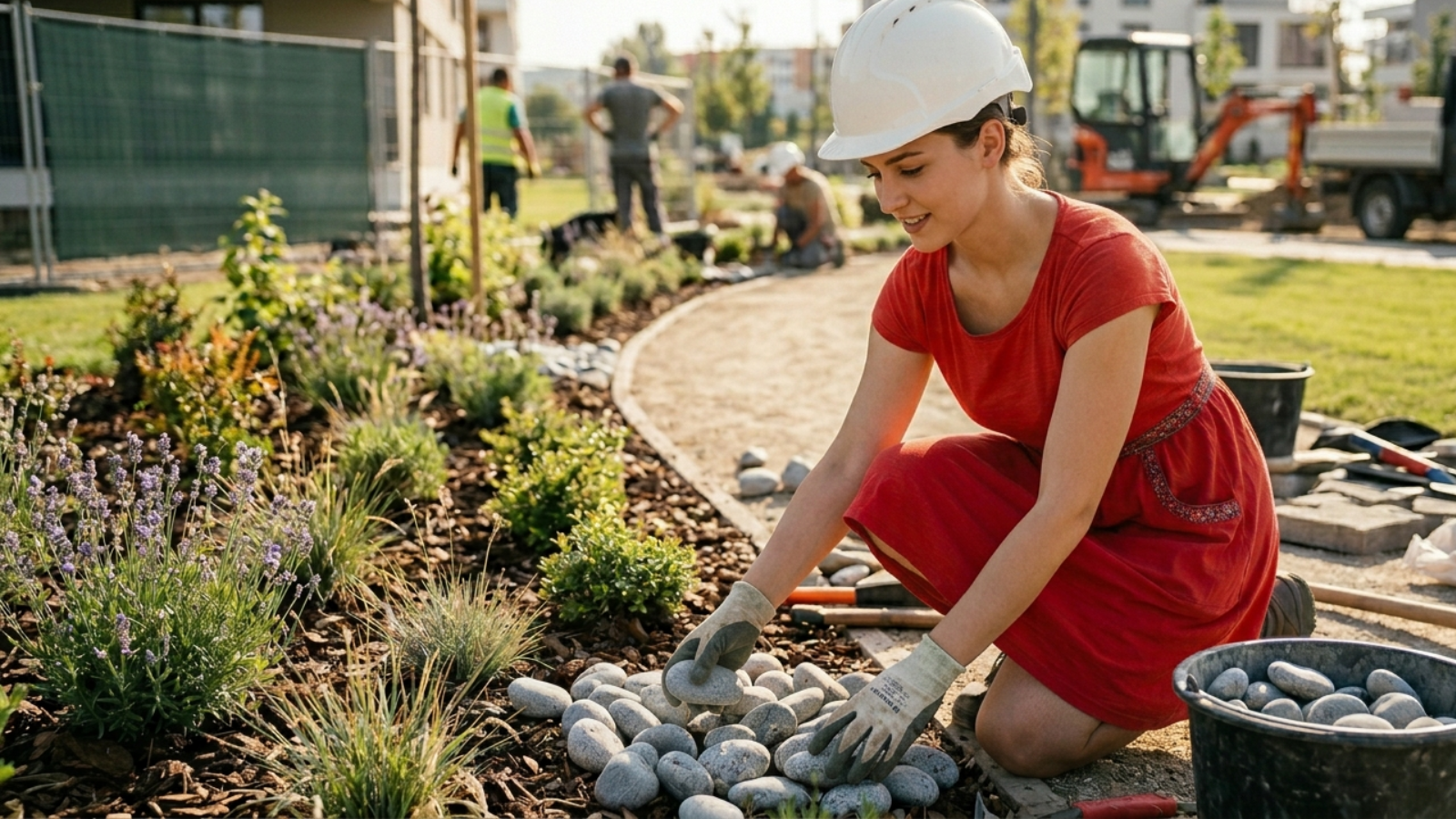
Decorative stones are increasingly popular in modern gardens, yet few realize they can directly impact plant health. In this article, we explore when they are a smart choice and when they may start causing issues for both soil and vegetation.
The impact of decorative stones on the soil microclimate
Decorative stones influence how soil responds to temperature and moisture, and these effects depend on the type of material, layer thickness, and sun exposure.
Soil temperature increase during the warm season
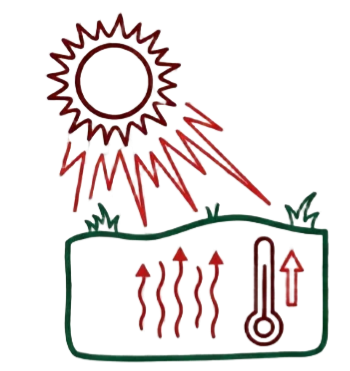
Decorative stones affect how soil responds to temperature and moisture, and these effects depend on the type of material, the thickness of the layer, and sun exposure.
Advantages:
They can help stabilize soil temperature during colder periods and reduce sudden temperature fluctuations that may negatively affect certain plant species.
Disadvantages:
They can lead to soil overheating during the summer, affecting roots and causing heat stress in sensitive plants.
Reduced water evaporation from the soil
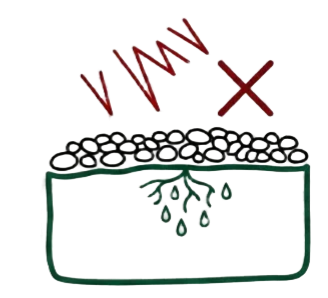
A layer of decorative stones can act as a physical barrier, reducing water loss through evaporation and helping the soil retain moisture for longer periods.
Advantages:
It reduces the frequency of watering and helps maintain a more consistent soil moisture level under normal usage conditions.
Disadvantages:
It can hide drainage problems and may contribute to excessive moisture accumulation in the lower layers of the soil.
Differences depending on the color and type of stones
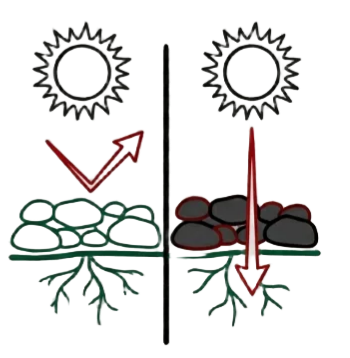
The thermal behavior of decorative stones varies depending on their color and composition, which influences how they interact with solar radiation.
Advantages:
Light-colored stones reflect part of the solar radiation, reducing the risk of soil overheating.
Depending on their composition, certain types of stone (for example, more porous varieties or those with lower density) may have lower thermal inertia, meaning they do not store excessive heat and allow for a faster exchange with the surrounding environment. This can help reduce the risk of prolonged soil overheating, especially in exposed areas.
Disadvantages:
Dark-colored stones absorb more heat, intensifying local warming during heatwaves.
Dense and compact stones (such as granite or basalt types) have a higher capacity to absorb and store heat, which can lead to a gradual release of that heat even after sunset. This effect keeps the soil warmer for longer periods and may increase thermal stress on plant roots, especially during heatwave conditions.
Seasonal effects on soil (summer vs winter)
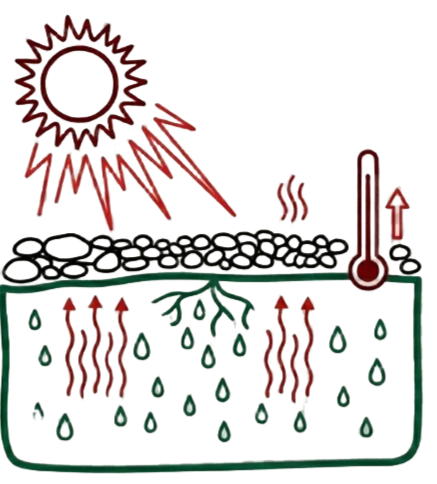
The impact of decorative stones on soil varies significantly depending on the season, influencing how plants experience temperature changes.
Advantages:
During the cold season, they can help protect the soil from rapid freezing and stabilize thermal conditions.
Disadvantages:
During the warm season, they can intensify heat stress by accumulating excessive heat.
Impact on biological life in the soil
Decorative stones do not only affect the appearance and physical behavior of the soil, but can also influence its biological activity. Microorganisms, earthworms, and organic matter decomposition processes are sensitive to changes in temperature, moisture, and aeration created by the surface layer.
Reduced microbial activity in the soil
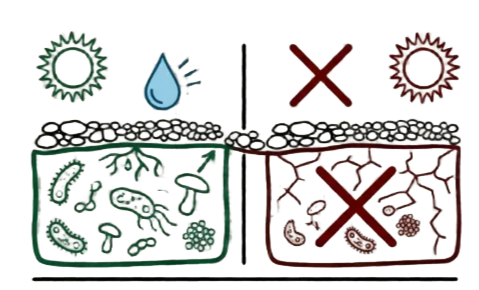
The layer of decorative stones can influence biological activity in the soil by altering moisture, temperature, and aeration conditions, all of which are essential for microorganisms and natural decomposition processes.
Advantages:
Under certain conditions, it can reduce evaporation and maintain a relatively stable moisture level, which supports biological activity during dry periods.
Disadvantages:
If the soil becomes too warm or overly insulated from air exchange, microbial activity can decrease, affecting the natural nutrient cycling process.
In conditions of poor drainage, excessive moisture retention beneath the stone layer can promote root rot processes. Limited aeration combined with constant humidity creates a favorable environment for pathogenic organisms, which over time may lead to root system degradation and reduced plant vigor.
Impact on soil fauna (earthworms and beneficial organisms)
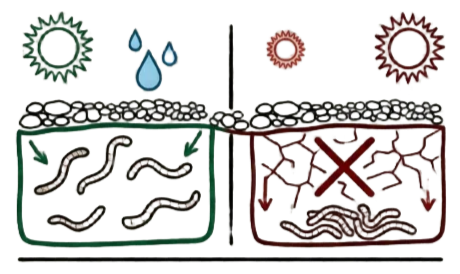
Larger soil organisms, such as earthworms, are sensitive to changes in temperature and moisture, as well as to compaction of the upper layer.
Advantages:
In stable conditions, they can continue to live in deeper soil layers, contributing to its natural aeration.
Disadvantages:
They may migrate deeper into the soil or reduce their activity if the upper layer becomes too dry or too compact.
Alteration of the natural organic matter cycle
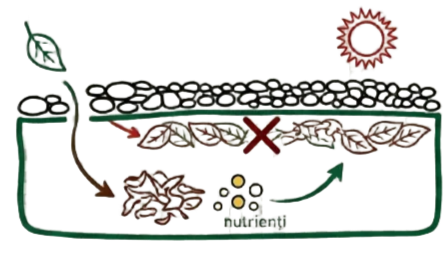
The layer of stones can influence how leaves, plant debris, and other organic materials decompose on the soil surface.
Advantages:
It reduces the visible accumulation of surface debris and can limit weed growth.
Disadvantages:
It can slow down the natural decomposition of organic matter at the surface, reducing the input of nutrients into the soil.
Aesthetic and functional benefits in garden design
Decorative stones are widely used in landscape design not only for their visual appeal but also for their functional role. They help organize outdoor spaces, stabilize surfaces, and reduce maintenance requirements in certain areas of the garden.
Creating a clean and modern look in the garden

The use of decorative stones allows for clear definition of garden areas and creates a controlled look that can be either minimalist or natural, depending on the chosen design.
Advantages:
They significantly enhance the overall aesthetics of a space, providing a clean, organized, and cohesive appearance, especially in modern landscape design projects.
Disadvantages:
If overused, they can create an artificial or overly rigid appearance, reducing the natural feel of the green space.
Reduced maintenance requirements
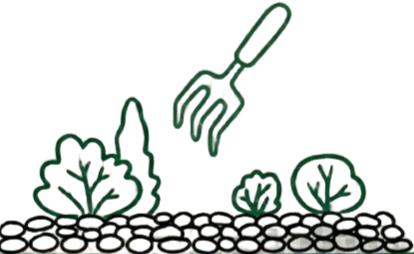
A layer of decorative stones can limit weed growth and reduce the frequency of maintenance interventions in certain areas of the garden.
Advantages:
It reduces the amount of work required for cleaning and maintenance, making it particularly useful in decorative or hard-to-reach areas.
Disadvantages:
It does not completely eliminate weeds and can create a false impression of zero maintenance, which sometimes leads to neglect of the underlying soil.
Stabilizing and protecting garden surfaces
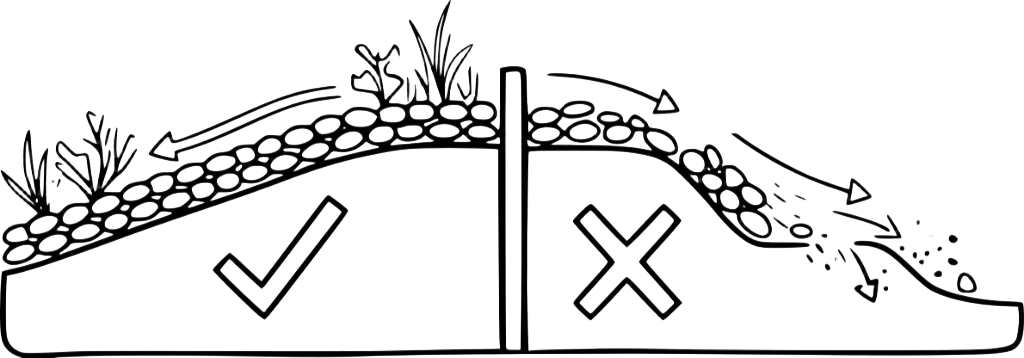
Decorative stones can help stabilize exposed areas such as pathways, lawn edges, or sloped zones.
Advantages:
They help reduce erosion and maintain soil structure in areas exposed to rain or light foot traffic.
Disadvantages:
If not properly installed, they can shift over time and may require periodic reworking of the layer.
Conclusion
Decorative stones are not a universal solution, but rather an element that must be approached with technical rigor, as they directly influence the soil–water–air balance. Although they are frequently used for their aesthetic benefits and for reducing maintenance, in practice they can have more complex effects, sometimes masking or even generating problems when not properly integrated into the soil stratification.
This article aimed to provide an overall perspective, without going into all the relevant details. Aspects such as soil aeration and water dynamics, although essential, were not developed in depth and can significantly change the behavior of the system under certain conditions.
In addition, their effects are not constant, but vary depending on season, exposure, and soil type, which makes their use impossible to standardize.
In conclusion, decorative stones should be viewed as an active element within the garden system. When used correctly, they can support both the functional and aesthetic aspects of landscape design; when applied superficially, they may create imbalances that emerge over time.
If you found this article useful or interesting, you can easily share it using the buttons below. Thank you!


